Whose Thoughts Are You Thinking?
It happens instantly.
Someone at the table mentions a politician. Or a controversial movie. Or a new diet trend. And snap. You have an opinion. It rises up in your throat like bile. You recite it perfectly. You feel righteous. You feel certainty coursing through your veins. You slam your fist on the table to emphasize your point.
But pause.
Freeze that frame.
Where did that thought come from? Did you manufacture it in the factory of your own consciousness? Did you grind the raw data, roast the facts, and brew that conclusion yourself?
Or did you just download it?
Most of what we call "thinking" is actually just repeating.
Your mind is a crowded antique shop filled with second-hand furniture. That opinion about money? That’s your father’s fear speaking. That judgment about the person's outfit? That’s a magazine cover you saw three years ago. That political rant? That’s a snippet of a podcast you listened to while folding laundry.
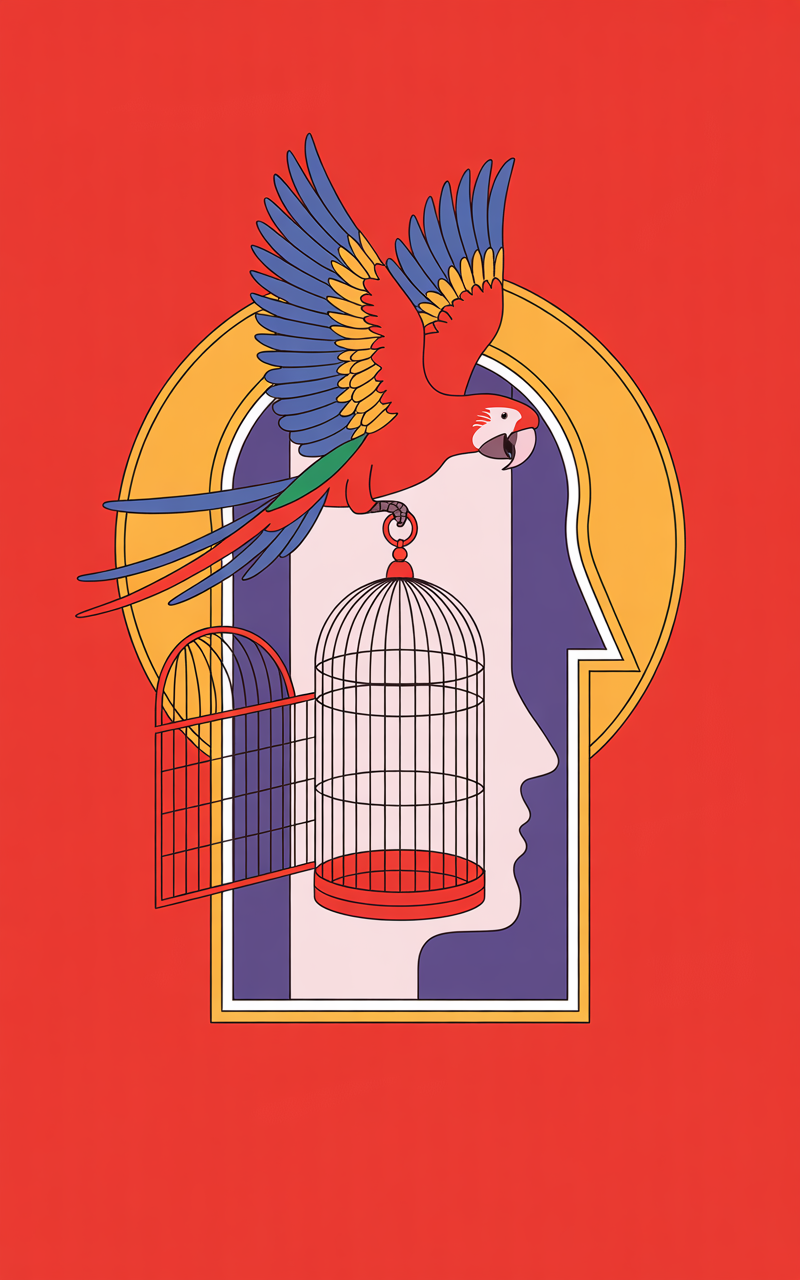
You are not the author of your own mind. You are a parrot with a very good memory.
This is the great humiliation of the ego. We strut around believing we are original thinkers, "individuals" with unique perspectives. But in reality, we are walking collages of other people’s biases. We are echo chambers convinced we are the source of the sound.
To actually think—to generate a truly original thought—is a terrifyingly difficult act.
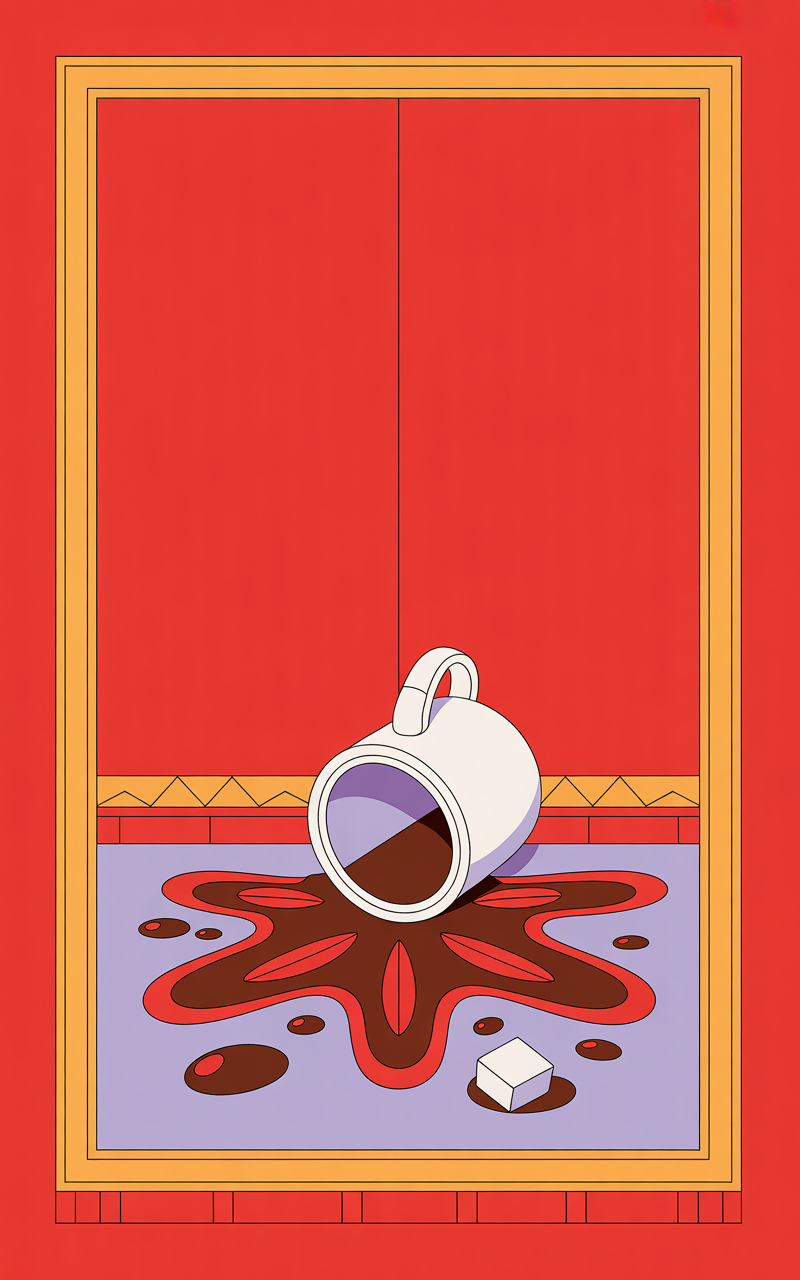
It requires a total disconnect from the herd. It requires you to take a belief you cherish, place it on the table next to your coffee, and dissect it with a cold, sharp knife.
“Why do I believe this? Is it true? Or is it just familiar?”
We come to places like Heaffles to "gather" with friends. We swap these borrowed thoughts like kids trading baseball cards. “I’ll give you my opinion on the economy if you give me your opinion on the weather.” We nod. We validate each other’s programming. We feel safe because we are singing from the same songbook.
But real gathering—the kind that changes you—requires a disruption of the signal.
It requires the silence to hear the one voice that is actually yours.
And that voice is usually very quiet. It doesn't shout like the borrowed voices. It doesn't have the aggressive certainty of the news anchor. It is hesitant. It is humble. It often says, "I don't know."
"I don't know" is the most spiritual sentence you can speak.
It is the sound of the parrot dying and the human being born. It is the clearing of the antique shop. It is the moment you stop renting space in your head to ghosts and start living there yourself.
The next time you feel a strong opinion bubbling up, don't let it out. Swallow it.
Sit with it. Ask it for its ID card. “Who sent you? Where do you come from?”
You might find that 90% of your mind belongs to strangers.
Evict them.
Sit in the empty room that remains. Sip your drink. And wait for a thought that has your own fingerprints on it. It might take a long time. But one thought that is truly yours is worth more than a library of borrowed encyclopedias.