The Echoes in an Empty Room
It is 9:00 PM. The last customer has buttoned their coat and stepped out into the night. The lock clicks. The espresso machine gives a final, weary hiss as it powers down. The music stops.
The staff wipe down the counters and leave. The lights are dimmed to a single, soft glow.
To the logical mind, the café is now empty.
To the accountant, the business day is over.
To the architect, it is just a collection of wood, glass, and drywall standing in the dark.
But stand here. Just stand here in the center of the room and close your eyes. Can you feel it?
The room is vibrating.
It is deafeningly loud.
We have been taught that a building is dead matter. We think that when people leave a room, they take their energy with them, leaving the space as sterile as a vacuum. This is a materialistic lie.
A room is not a box; it is a sponge.
That table in the corner? It is not just wood. Two hours ago, a couple sat there and decided to end their marriage. The air around that table is still heavy with the density of their tears, the thick silence of their heartbreak. The wood has absorbed the trembling of their hands.
The long communal table in the center? It is buzzing. A group of old friends sat there laughing until their sides hurt. The joy didn't vanish when they walked out the door. It soaked into the walls. It hangs in the rafters like smoke.
The solitary armchair by the window? It holds the quiet, focused peace of the writer who sat there for four hours, lost in a world of their own creation.
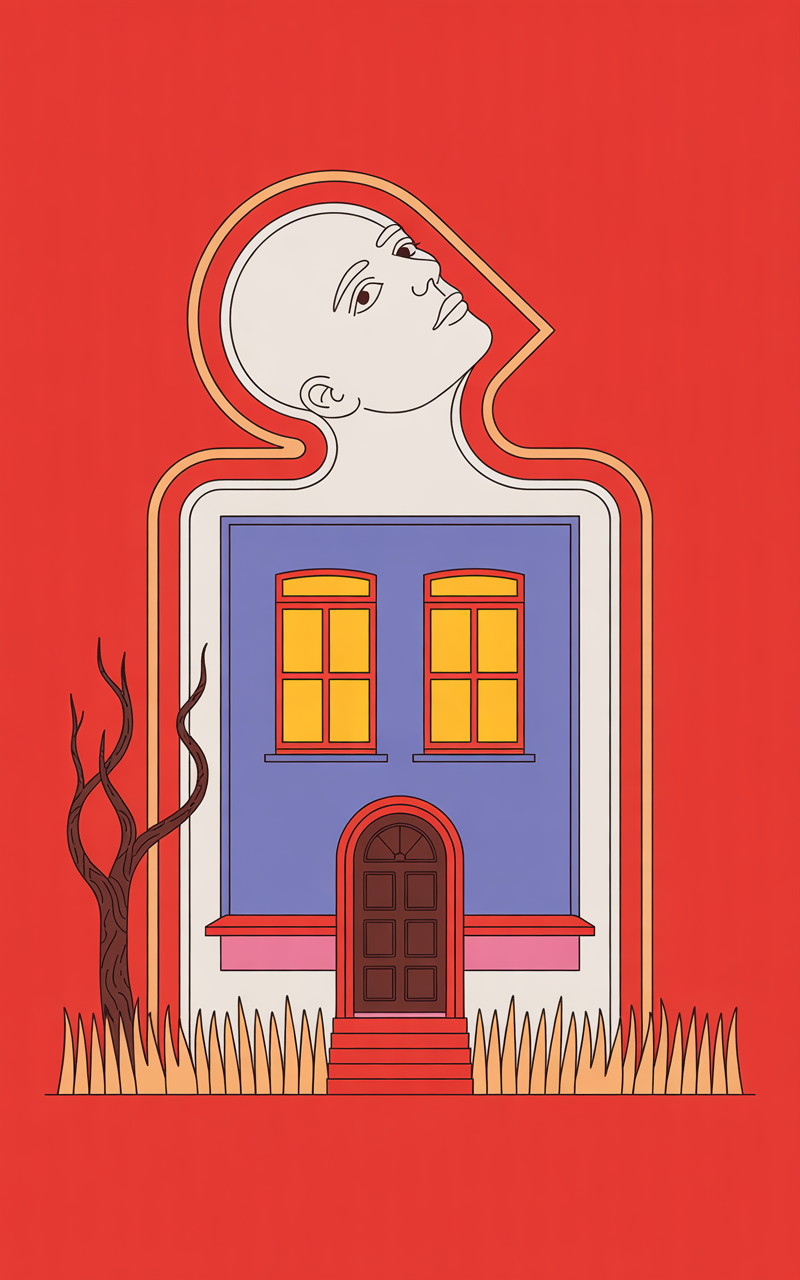
Heaffles is not a waffle shop. It is a container for the human soul.
We are not in the business of selling food; we are in the business of providing a vessel. Day after day, you come here and you pour your lives into this vessel. You pour your anxiety, your celebrations, your boredoms, and your secrets.
And the room remembers.
This is why you feel different when you walk in here compared to when you walk into a bank or a supermarket. A bank is sterile. It is designed to repel energy, to be efficient and cold. It has no memory.
But a true community space—a "Third Place"—accumulates the spirit of the town. It develops a patina, not just on the floorboards, but on the atmosphere itself.
When you say, "I love the vibe in here," what you are really saying is, "I love the feeling of being surrounded by the ghosts of a thousand human connections." You are sensing the residue of life.
This is the invisible architecture of community.
We build the walls, yes. We brew the coffee. But you build the soul of the place. You furnish it with your emotions.
So, the next time you walk in early in the morning, before the rush, and you think you are the first person there—know that you are not alone.
You are sitting in the company of yesterday’s laughter. You are drinking your coffee in the lingering warmth of a thousand conversations.
Respect the space. It is alive. It is the collective diary of this community, written invisibly on the air.
The room is never empty. It is simply holding its breath, waiting for you to add your verse to the song.